




Although they share similar goals of improving both physical strength and mental well-being, their approaches and techniques differ significantly. Yoga, with its roots in ancient philosophy, focuses on connecting the mind and body through breath and movement. Pilates, on the other hand, was developed in the early 20th century to enhance physical strength and rehabilitation through controlled movements. So, which one is right for you? In this post, we’ll explore the key differences between yoga and Pilates, their benefits, and help you decide which practice suits your fitness goals and lifestyle.
- What is yoga?
- What is pilates?
- Key differences between yoga and pilates
- Which is better for your fitness goals?
- How to choose between yoga and pilates
- Conclusion
What is yoga?
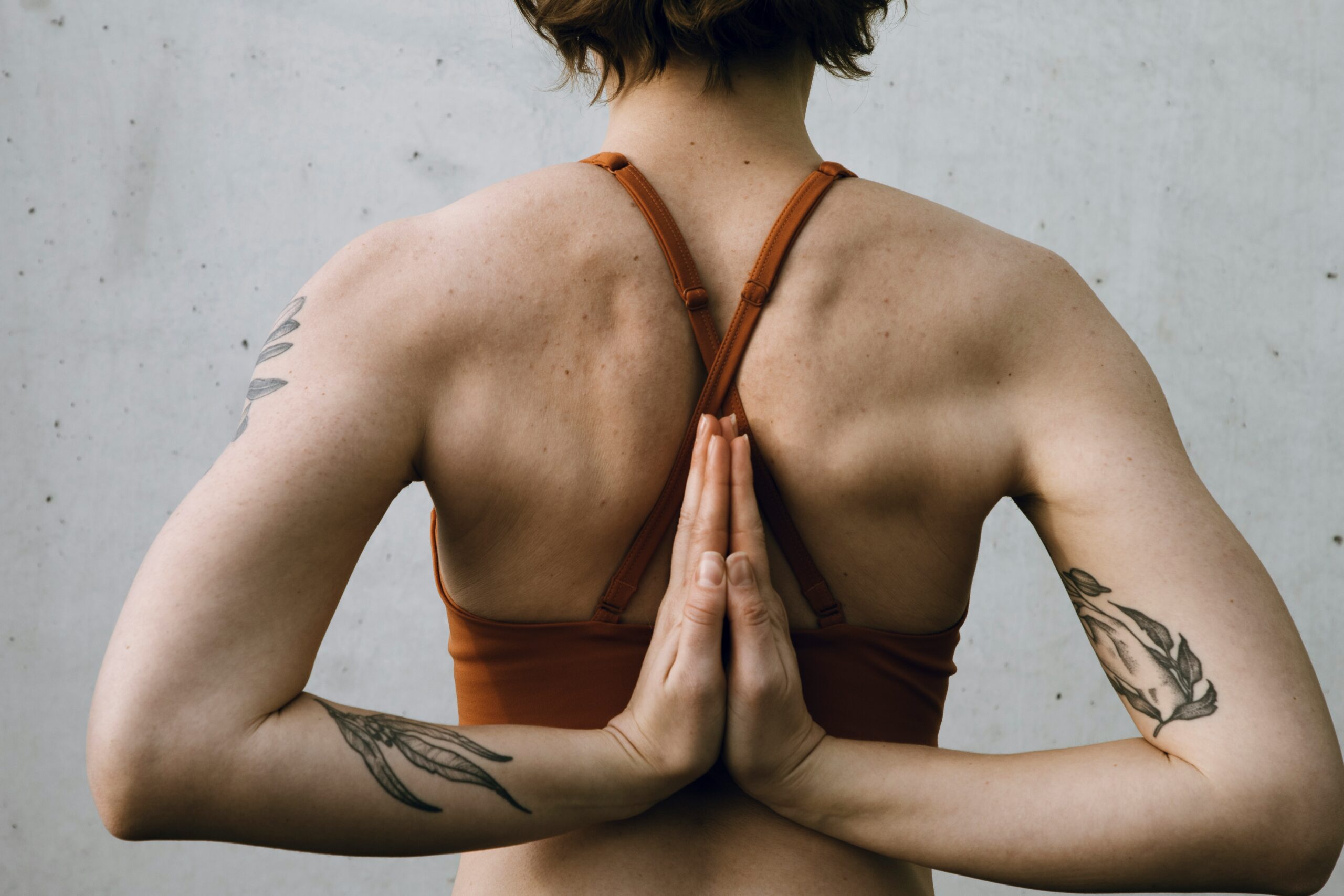
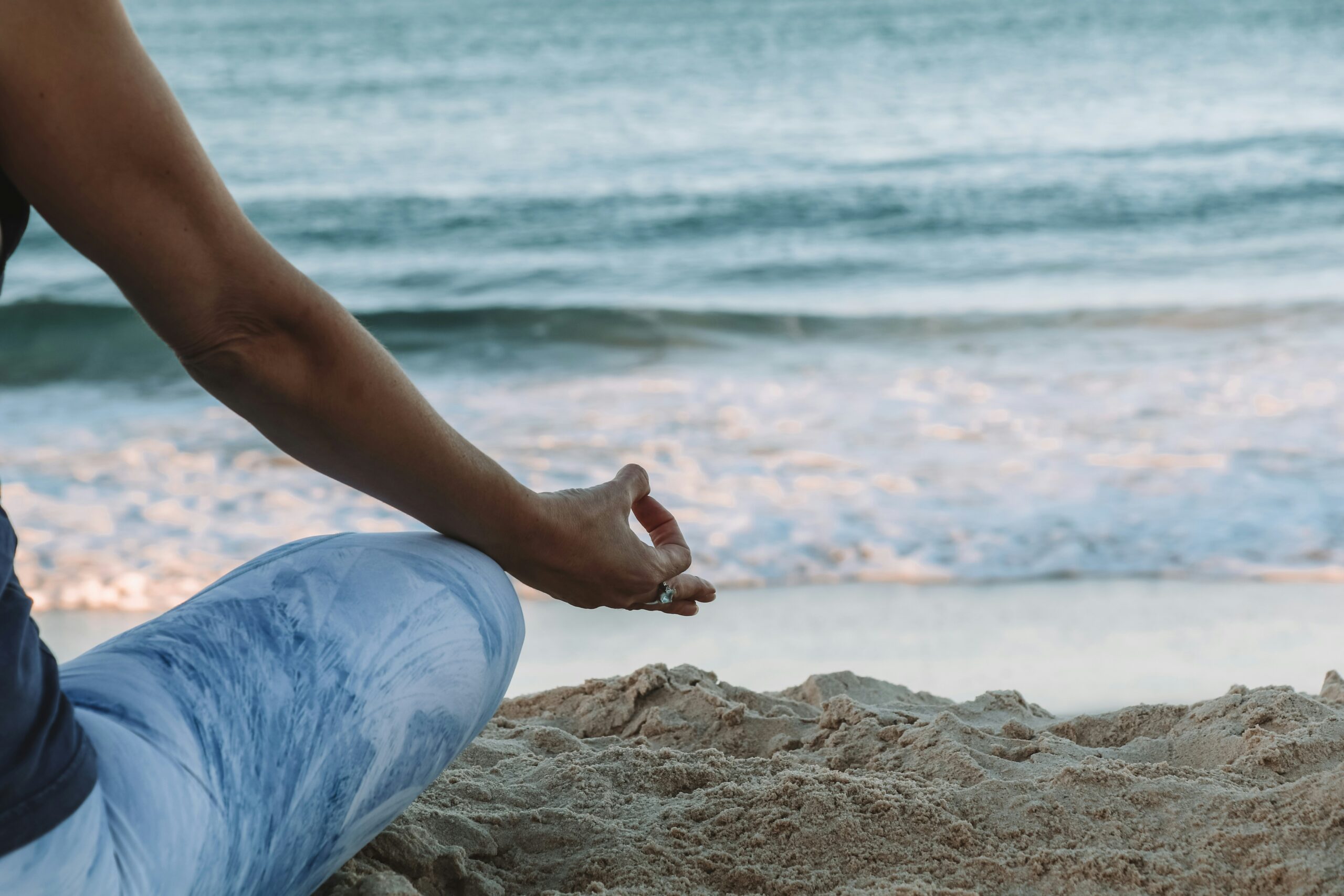
Yoga is a holistic practice that originated thousands of years ago in India, rooted in the philosophical teachings of the ancient yogis. Traditionally, yoga isn’t just about physical postures—it incorporates meditation, ethical principles, and breath control to create a balanced, harmonious life. The word “yoga” itself means “union,” referring to the union of mind, body, and spirit. Over the years, yoga has evolved into many different styles, with a strong focus on flexibility, strength, and mindfulness.
There are various styles of yoga, each offering a different experience. Hatha yoga is a gentle introduction, focusing on basic poses and relaxation. Vinyasa yoga, often referred to as “flow,” is more dynamic, linking movement with breath. Ashtanga is a fast-paced and structured style, while Yin yoga offers long-held poses that deeply stretch the muscles and connective tissue. Each style emphasizes different aspects, whether it’s intensity, mindfulness, or flexibility, so there’s a type of yoga to suit everyone.
Yoga offers a range of physical and mental benefits. Physically, it improves flexibility, builds strength, and enhances posture. Yoga’s emphasis on deep breathing helps to regulate the nervous system, reducing stress and promoting relaxation. Mentally, yoga fosters mindfulness, increases self-awareness, and can significantly reduce anxiety. Overall, yoga is an excellent practice for achieving balance, peace, and better body awareness.
What is pilates?
Pilates was created in the early 20th century by Joseph Pilates as a method to help injured soldiers regain their strength. Originally called “Contrology,” Pilates focuses on core strength, flexibility, and overall body alignment. Unlike yoga, which integrates the mind, body, and spirit, Pilates is more physical in its approach, emphasizing controlled movements to improve muscle tone and posture. Pilates can be done on a mat or using specialized equipment like the reformer, a spring-loaded machine designed to enhance strength training.
Pilates mainly focuses on strengthening the core muscles—the muscles of the abdomen, lower back, and pelvis—which are essential for maintaining proper posture, balance, and alignment. It also incorporates movements that work the entire body, including the legs, arms, and back. Unlike other forms of exercise that may focus on large muscle groups, Pilates targets the small stabilizing muscles to improve overall function and muscle control.
Pilates helps improve posture, flexibility, and muscle tone, especially in the core. By focusing on controlled, precise movements, Pilates can also help alleviate back pain, improve alignment, and increase flexibility. It’s especially beneficial for people recovering from injuries or anyone looking to improve muscle endurance without adding bulk. Pilates promotes body awareness and strengthens the muscles that support good posture, helping to create a leaner, more toned physique.
Key differences between yoga and pilates
Movement and Flow
The biggest difference between yoga and Pilates lies in their movement patterns. Yoga typically involves flowing movements that are tied to breath, with transitions from one pose to another. Yoga’s dynamic nature offers both flexibility and strength benefits through its slow, mindful approach. Pilates, however, focuses on specific, controlled movements designed to target deep muscles. There is less emphasis on fluidity or breath synchronization, and instead, the goal is often to achieve precision and strength in each movement.
Breathing Techniques
Both practices emphasize the importance of breathing, but the techniques differ. In yoga, deep, diaphragmatic breathing helps to calm the nervous system and guide the flow of movement. Many styles, like Vinyasa, synchronize breath with movement, ensuring each inhalation and exhalation matches a pose. In Pilates, breathing is also important, but it’s more focused on supporting the controlled movements. In Pilates, practitioners breathe in through the nose to prepare for each movement and exhale through the mouth to exert effort, helping to engage the core.
Mental and Physical Focus
Yoga is a spiritual practice that brings attention to mindfulness, meditation, and the mind-body connection. The practice includes elements of self-reflection, stress relief, and awareness, making it as much a mental discipline as a physical one. Pilates, while it can be meditative, is more physically focused, with its emphasis on strengthening muscles and improving body mechanics. Pilates is less concerned with mental clarity and more focused on the precise execution of movement for improved physical alignment and strength.
Which is better for your fitness goals?
If your goal is to improve flexibility, manage stress, and connect with your inner self, yoga might be the better option for you. Yoga promotes a balance between physical postures and relaxation, making it a great choice for anyone looking to calm the mind and stretch their body. It’s particularly beneficial for those who want to focus on mental well-being, improve balance, and foster mindfulness. If you are looking for a more holistic fitness routine, yoga is the ideal practice.
On the other hand, Pilates is excellent for individuals looking to increase core strength, improve posture, and work on overall muscle tone. It’s a great workout for those who want to focus on strengthening and toning muscles, particularly in the abdomen, lower back, and pelvic area. Pilates is also an excellent choice for those recovering from injury, as it promotes controlled movements that help improve muscle function and stability without straining the body.
For a well-rounded fitness plan, you don’t have to choose between yoga and Pilates. Many people enjoy integrating both practices into their routines. Yoga can help with flexibility, relaxation, and mental clarity, while Pilates strengthens muscles and improves posture. Combining both can offer the benefits of mindfulness and strength, creating a balanced and comprehensive workout plan that addresses the body’s needs from all angles.


How to choose between yoga and pilates
Consider Your Fitness Goals
Think about what you’re looking to achieve with your workout. If your focus is on mental well-being, flexibility, and stress relief, yoga is a great option. However, if you’re interested in improving muscle tone, especially in your core, and building strength, Pilates might be the better choice. If both sound appealing, why not try both and see how they complement each other?
Consider Your Body Type and Needs
Certain body types may benefit from one practice over the other. Pilates is particularly effective for individuals looking to improve posture and stability, while yoga offers flexibility and stress reduction. Additionally, those recovering from injury or with lower back issues might find Pilates more suitable for targeting specific muscle groups, while yoga provides a gentler way to stretch and strengthen.
Try Both
The best way to find out which practice works for you is to try both. Many yoga studios and gyms offer introductory classes in both yoga and Pilates, so take advantage of that. Start with a few beginner sessions to see how each practice makes you feel and how your body responds. Over time, you’ll discover which one fits your lifestyle and goals, or you might even find that a combination of both works best for your overall health.
Conclusion
Yoga and Pilates are both excellent fitness practices that offer unique benefits, and the right one for you depends on your personal goals and preferences. Yoga excels at improving flexibility, mental clarity, and stress relief, while Pilates is ideal for building core strength, improving posture, and toning muscles. Both practices can complement each other, providing a holistic approach to fitness and well-being. Whether you choose yoga, Pilates, or a mix of both, the most important thing is to enjoy the journey and listen to your body as you move toward better health.